10 Classic Cocktails Everyone Should Know How to Make
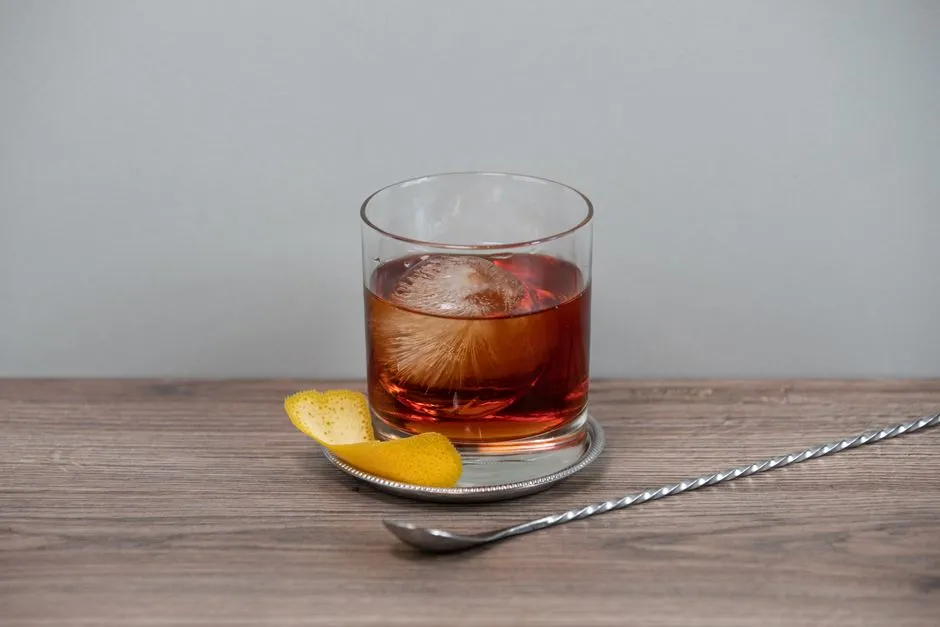
The 10 Classic Cocktails Everyone Should Know
The classic cocktails everyone should know are the Old Fashioned, the Manhattan, the Martini, the Daiquiri, the Whiskey Sour, the Margarita, the Negroni, the Mojito, the Tom Collins, and the French 75. Together they cover every core technique — building, stirring, shaking, and muddling — and every major base spirit. Learn these ten and you can make hundreds of variations, because most modern cocktails are riffs on one of them.
That is the honest secret of cocktail-making: the canon is small. These drinks survived a century of changing tastes because their proportions balance. Below you'll find each recipe with exact measurements in both ounces and milliliters, the technique it teaches, and just enough history — clearly labeled where the record gets murky.
The Ten at a Glance
| Cocktail | Base Spirit | Method | Difficulty |
|---|---|---|---|
| Old Fashioned | Bourbon or rye | Built and stirred | Easy |
| Manhattan | Rye whiskey | Stirred | Easy |
| Martini | Gin | Stirred | Easy |
| Daiquiri | White rum | Shaken | Easy |
| Whiskey Sour | Bourbon | Shaken | Moderate |
| Margarita | Tequila | Shaken | Easy |
| Negroni | Gin | Stirred | Very easy |
| Mojito | White rum | Muddled and built | Moderate |
| Tom Collins | Gin | Shaken and topped | Easy |
| French 75 | Gin | Shaken and topped | Moderate |
Every spec below uses the exact conversion 1 oz = 30 ml. A well-stocked starter bar — a shaker, a jigger, a strainer, and a handful of bottles — makes all ten.
The Stirred Spirit-Forward Classics
These three are the backbone of the canon: mostly spirit, softened by sugar or vermouth, always stirred with ice rather than shaken. Stirring chills and dilutes without clouding the drink.
1. Old Fashioned
The Old Fashioned is the template cocktail: spirit, sugar, bitters, water. That formula is essentially the earliest printed definition of the word "cocktail" itself, which dates to the early 1800s.
- 2 oz (60 ml) bourbon or rye whiskey
- 1 sugar cube (or 1 tsp simple syrup)
- 2–3 dashes Angostura bitters
- Orange twist, for garnish
Muddle the sugar with the bitters and a small splash of water in a rocks glass, add the whiskey and a large ice cube, stir until chilled, and express the orange twist over the top. It's simple enough to build in the glass and forgiving enough to teach you what dilution does. We break down every step, plus the bourbon-versus-rye question, in our full guide to how to make an Old Fashioned.
2. Manhattan
The Manhattan emerged in New York in the late 1800s; the popular story tying it to a specific banquet at the Manhattan Club is charming but not reliably documented, so treat it as legend.
- 2 oz (60 ml) rye whiskey
- 1 oz (30 ml) sweet vermouth
- 2 dashes Angostura bitters
- Brandied cherry, for garnish
Stir all ingredients with ice for about 30 seconds, strain into a chilled coupe, and drop in the cherry. The 2:1 whiskey-to-vermouth ratio is the number worth memorizing — it recurs across dozens of stirred classics.
3. Martini
The Martini's exact origin is genuinely disputed — competing claims involve California and New York, and none is settled. What's certain is that by the early twentieth century it was the defining gin cocktail.
- 2.5 oz (75 ml) London dry gin
- 0.5 oz (15 ml) dry vermouth
- Lemon twist or olive, for garnish
Stir with ice until very cold, strain into a chilled cocktail glass, and garnish. Start at this 5:1 ratio and adjust to taste; a "wetter" Martini uses more vermouth, a "drier" one less. Gin is traditional; vodka is a later variation.
The Shaken Sours
A sour is spirit plus citrus plus sweetener, shaken hard with ice. Shaking chills, dilutes, and aerates — it's the right call whenever a drink contains juice. Master one sour and you've functionally mastered them all.
4. Daiquiri
Not the frozen slush machine version — the original Daiquiri is a taut, three-ingredient rum sour that bartenders use to judge each other. It takes its name from a beach area near Santiago de Cuba; the specific origin story crediting an American mining engineer around 1900 is widely repeated but hard to verify, so we'll call it tradition rather than fact.
- 2 oz (60 ml) white rum
- 1 oz (30 ml) fresh lime juice
- 0.75 oz (22.5 ml) simple syrup
Shake hard with ice for 10–12 seconds and double-strain into a chilled coupe. Fresh lime juice is non-negotiable; bottled juice flattens the whole drink.
5. Whiskey Sour
The Whiskey Sour appears in cocktail books as far back as the 1860s, making it one of the oldest drinks in this list with a clear paper trail.
- 2 oz (60 ml) bourbon
- 0.75 oz (22.5 ml) fresh lemon juice
- 0.75 oz (22.5 ml) simple syrup
- Optional: 0.5 oz (15 ml) egg white
For the silky classic version, dry-shake the egg white with everything else (no ice) first, then shake again with ice and strain over fresh ice into a rocks glass. Skip the egg white and it's still excellent — just shake once with ice.
6. Margarita
The Margarita's inventor is unknown; multiple people claimed it across the mid-twentieth century, and no claim holds up cleanly. It is, structurally, a tequila sour sweetened with orange liqueur.
- 2 oz (60 ml) blanco tequila
- 1 oz (30 ml) fresh lime juice
- 1 oz (30 ml) orange liqueur (triple sec or Cointreau)
Shake with ice and strain into a rocks glass over fresh ice, with a salted rim if you like. Salt only half the rim so the drinker gets a choice — a small courtesy that reads as professional.
The Bittersweet Icon
7. Negroni
The Negroni is the easiest cocktail on this list to make and one of the hardest to forget: equal parts, no citrus, no shaking. The story that Count Camillo Negroni asked a Florence bartender to stiffen his Americano with gin around 1919 is the accepted account, though the documentation is thin enough that historians still argue about it.
- 1 oz (30 ml) gin
- 1 oz (30 ml) Campari
- 1 oz (30 ml) sweet vermouth
- Orange twist or slice, for garnish
Stir with ice, strain over a large cube in a rocks glass, garnish with orange. The 1:1:1 ratio means there's nothing to memorize and nothing to hide behind — bottle quality is the whole game.
The Tall and Sparkling Classics
Long drinks stretch spirit with bubbles. They're lower-proof by volume, endlessly refreshing, and the fastest way to please a crowd.
8. Mojito
Cuba's great highball combines rum with mint and lime. Its roots trace back to earlier Cuban cane-spirit drinks; the deeper lineage is folkloric, but the modern spec is settled.
- 2 oz (60 ml) white rum
- 1 oz (30 ml) fresh lime juice
- 0.75 oz (22.5 ml) simple syrup
- 8 fresh mint leaves
- Soda water, to top
Gently press the mint with the syrup in the glass — bruise it, don't shred it, or the drink turns bitter. Add rum, lime, and crushed or cracked ice, stir briefly, top with soda, and garnish with a mint sprig. Smack the sprig between your palms first to release the aroma.
9. Tom Collins
The Tom Collins is a gin sour lengthened with soda, documented in bartending guides since the 1870s. The name's origin — often tied to a Victorian-era practical joke — is one of those stories we file under "fun, unproven."
- 2 oz (60 ml) London dry gin
- 1 oz (30 ml) fresh lemon juice
- 0.5 oz (15 ml) simple syrup
- Soda water, to top
Shake the gin, lemon, and syrup with ice, strain into a tall glass over fresh ice, top with soda, and garnish with a lemon wheel. Effectively sparkling lemonade for grown-ups — which is precisely the point.
10. French 75
Named for the French 75 mm field gun of the First World War, this drink is most often credited to Harry's New York Bar in Paris, though — as with most cocktails of that era — the attribution is traditional rather than proven. It became a fixture of Prohibition-era drinking on both sides of the Atlantic; for the full story of that clandestine period, see our explainer on what a speakeasy actually was.
- 1 oz (30 ml) gin
- 0.5 oz (15 ml) fresh lemon juice
- 0.5 oz (15 ml) simple syrup
- 3 oz (90 ml) chilled dry sparkling wine, to top
Shake the gin, lemon, and syrup with ice, strain into a flute, top with the sparkling wine, and garnish with a lemon twist. Champagne is traditional; any dry sparkling wine works honestly well.
How to Practice the Canon
Don't try to learn all ten in a weekend. Work through them in an order that builds skills:
- Start with the Negroni and Old Fashioned. Built or stirred, no citrus, nearly impossible to ruin.
- Add the Daiquiri. It teaches proper shaking and why fresh juice matters, with only three ingredients.
- Branch to the Whiskey Sour and Margarita. Same shaken-sour skeleton, new flavors, plus the egg-white dry shake.
- Finish with the stirred and sparkling drinks. The Manhattan and Martini reward precise dilution; the Mojito, Collins, and French 75 add muddling and topping.
Two habits will improve every drink on this list more than any premium bottle: measure with a jigger every single time, and use fresh citrus squeezed the same day. Balance is the entire reason these recipes survived — eyeballing throws it away.
Frequently Asked Questions
What is the easiest classic cocktail to make?
The Negroni. Equal parts gin, Campari, and sweet vermouth — 1 oz (30 ml) of each — stirred over ice. There's no citrus to juice, no shaking technique to learn, and the ratio is impossible to forget.
Do I need special equipment to make these?
You need a jigger, a shaker, and a strainer; a bar spoon and a muddler round things out. Everything else is optional. Our home bar essentials guide covers exactly which tools earn their space and which bottles unlock the most recipes.
Shaken or stirred — how do I know which?
The working rule: if a drink contains citrus juice, cream, or egg white, shake it; if it's all spirits, vermouths, and liqueurs, stir it. Shaking aerates and clouds a drink, which is welcome in a Daiquiri and wrong in a Manhattan.
Why do recipes list both ounces and milliliters?
Because precision is the whole craft. Jiggers are sold in both scales, and rounding conversions sloppily changes the balance of a three-ingredient drink. We use the exact bar convention of 1 oz = 30 ml throughout, so 0.75 oz is always 22.5 ml and 2 oz is always 60 ml.