How to Shake Cocktails Without Leaks or Guesswork
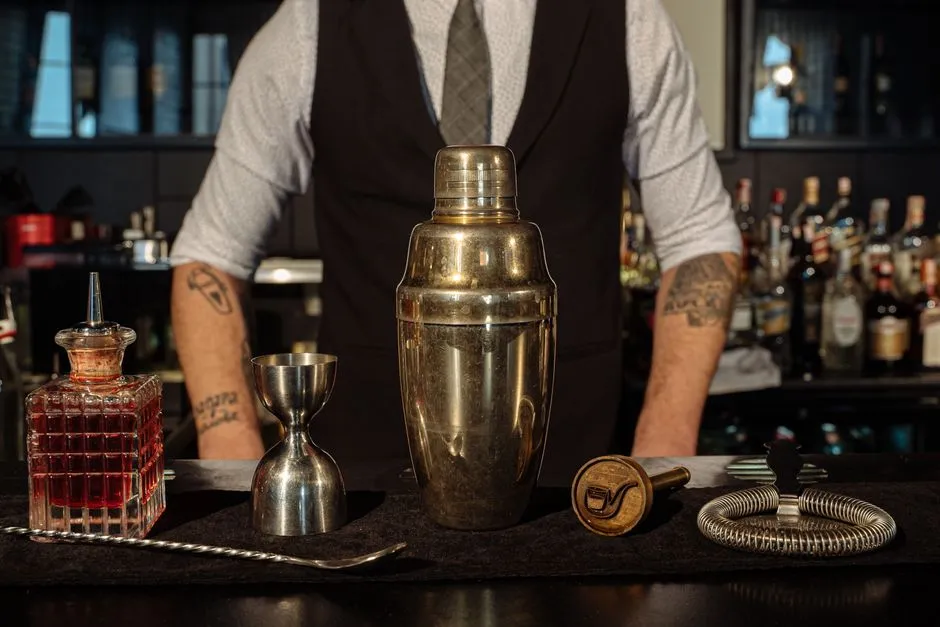
- How do you shake a cocktail?
- Start with the recipe, not a performance
- Choose a shaker you can control
- Build the drink in a safe order
- Hold and shake without losing the seal
- Stop by the drink’s endpoint
- Practise the seal with water
- When does a dry shake belong?
- What is a reverse dry shake?
- What does “hard shake” mean?
- When is a whip shake useful?
- Open and strain under control
- Frequently asked questions
- Sources
How do you shake a cocktail?
Measure the recipe into a sound cocktail shaker, add the ice specified by that recipe, close the shaker firmly, hold both ends and shake in a short controlled path until the drink reaches its intended chill and dilution. Set the shaker on the counter before opening it, then strain promptly. There is no universal shake time: drink volume, ice, starting temperature and the recipe all change the finish.
Use a standard shake for most drinks containing citrus, syrup, dairy or other ingredients a recipe directs you to shake. Dry, reverse-dry, hard and whip shakes are separate methods, not upgrades to apply automatically.
Start with the recipe, not a performance
Follow the recipe: the International Bartenders Association (IBA) shakes its Daiquiri and Whiskey Sour with ice, but builds its Negroni over ice and stirs gently.
Our classic cocktail guide shows the different families together. This guide concentrates on operating the shaker safely and consistently.
Before reaching for ice, identify:
- the exact ingredient amounts;
- whether the recipe says shake with ice, without ice or in two stages;
- whether it calls for a fine strain, an ordinary strain or an unstrained pour;
- the serving glass and its ice; and
- any egg, dairy, nut or other allergen.
Measure accurately before adjusting technique.
Choose a shaker you can control
A cobbler shaker has a body, fitted top and built-in strainer. A two-piece shaker uses two tins or a tin and mixing glass. Choose a sound set that fits your hands.
Inspect every piece before use. Do not use chipped glass, a cracked cap, a sharply dented rim or parts that no longer fit correctly. Set a towel beside the station for condensation, but keep the surface under your feet dry. Keep people clear of your elbow path.
A tin-on-tin set avoids shaking a glass vessel. If you use a tin-and-glass set, do not strike the glass to force a seal or break one. Set the shaker down and stop if you see a chip, crack or stress mark. Discard any drink or ice that may contain glass.
The home bar essentials guide covers the basic tools.
Build the drink in a safe order
Work on a clear, stable counter. Place the serving glass away from the shaker path.
- Read the complete recipe and gather every ingredient and strainer.
- Measure ingredients into the open shaker while it is stable on the counter.
- Add ice last unless the source recipe explicitly says otherwise.
- Fit the top squarely. For a two-piece shaker, form the seal without slamming the pieces together.
- Lift only after checking that both parts are engaged.
Adding ice last lets you confirm the formula before dilution starts.
Never shake a carbonated ingredient in a sealed cocktail shaker. Pressure can build. When a recipe includes soda, sparkling wine or another carbonated component, follow its order—usually shaking the still ingredients first and adding the carbonated ingredient after opening.
Do not seal hot liquid in a shaker. Let any cooked syrup or other heated ingredient cool as its recipe requires before mixing.
Hold and shake without losing the seal
Place one hand over each end. Keep fingers around the pieces rather than over a sharp rim. Hold the shaker roughly between chest and shoulder height, away from your face and away from anyone nearby.
Use a compact back-and-forth motion. The ice should travel through the liquid, but the shaker does not need a wide arc. Stop immediately if the seal shifts, liquid leaks or your grip becomes numb or painful. Set the shaker down before adjusting it.
Condensation can make metal slippery. Dry your hands and the outside of the shaker, then restart only if the parts still fit soundly. Do not wrap a loose cloth around a moving shaker; it can slide or obscure a leak.
Stop by the drink’s endpoint
Diageo Bar Academy describes shaking as combining, chilling, diluting and aerating. Those changes happen together, but recipes value them differently.
The IBA Daiquiri uses white Cuban rum, fresh lime juice and superfine sugar. Dissolve the sugar with the other ingredients before adding ice, shaking and straining into a chilled cocktail glass. The IBA Whiskey Sour shakes with ice; its optional-egg note calls for a little harder shaking to incorporate foam. Neither page specifies a universal duration.
Follow the recipe. Without a specified time, keep ice, amounts and starting temperatures consistent. Stop when the outside is cold and the mixture combined; record the method for comparison.
Strain as soon as the shake is complete. Leaving the drink on ice while you prepare a garnish changes the dilution after your chosen endpoint.
Practise the seal with water
Learn a new shaker with cold water and ice before using alcohol, citrus, egg or dairy. Fill only to the level permitted by the manufacturer. Close it, hold both ends, make a few short movements, set it down and open it.
Check for leakage and learn where the pieces release. Empty the test, wash the parts and dry the station. This is a control check, not a way to prove that any shaker can be overfilled or opened by force.
When does a dry shake belong?
A dry shake means shaking without ice. Diageo Bar Academy describes this egg-drink method followed by a second shake with ice. A reverse dry shake reverses those stages.
Use either only when a tested recipe calls for it. Raw or undercooked egg changes the food-safety requirement. FDA guidance calls for pasteurised shell eggs or pasteurised egg products in recipes served raw or undercooked. Check the label. Its food-safety quiz warns against relying on alcohol to kill bacteria in unpasteurised eggs.
Keep eggs refrigerated according to the package, prevent shell or raw egg from contacting ready-to-serve garnishes, and wash hands, tools and surfaces after handling. Tell guests about egg and any dairy allergen. If you cannot verify the egg product or keep the process controlled, choose an egg-free recipe.
Retain the recipe's chilled stage after a dry shake.
What is a reverse dry shake?
The reverse dry shake starts with the ice stage, removes the ice and then performs the no-ice stage. Campari Academy’s Shakerato provides a documented non-egg example: it shakes Campari with ice, strains into a small tin, discards the ice, reverse dry shakes and fine-strains into a chilled coupe.
Follow the complete recipe, including its strain and service.
Set both tins down before removing ice. Never reach into a tin blindly; pour through the proper strainer.
What does “hard shake” mean?
“Hard shake” can mean vigorous shaking in ordinary recipe language, but the named Hard Shake is a specific three-point technique associated by Diageo Bar Academy with Japanese bartender Kazuo Ueda. The same source stresses that the name does not merely mean using maximum force.
Use the controlled two-hand method unless a reliable recipe teaches otherwise. More force does not guarantee better texture or a safer seal.
When is a whip shake useful?
A whip shake uses a deliberately small quantity of ice and belongs to recipes designed around that choice. Campari Academy’s Mai Tai, for example, specifies one ice cube or a small handful of pebble ice, then a whip shake before straining over pebble ice.
Use a whip shake only with the recipe's specified mixing ice, glass and finishing ice.
Open and strain under control
Set the shaker upright on the counter. Keep it away from the edge and point the opening away from faces. Release the intended joint with controlled pressure. Do not use a knife, bottle opener or countertop edge to pry it apart.
Hold the strainer securely while pouring. If the recipe calls for fine straining, place the fine strainer over the receiving glass before lifting the shaker. Stop if the glass moves or the strainer slips; reset on the counter.
Wash the shaker promptly, especially after egg, dairy or sugary ingredients. Separate all parts for cleaning and drying so residue does not remain under a cap or around a seal.
Frequently asked questions
How long should you shake a cocktail?
There is no universal time. Follow the named recipe. Ice, volume, ingredient temperature and shaker shape alter chilling and dilution. If no time is given, keep those variables consistent, shake until cold and combined, strain promptly and record the result for your own setup.
Should every citrus cocktail be shaken?
Many citrus drinks are shaken, but use the actual recipe rather than a slogan. The IBA Daiquiri method dissolves superfine sugar before adding ice, shaking and straining. A different recipe may specify another method or service.
Is a dry shake safe with egg white?
The shaking order does not remove raw-egg risk. FDA guidance says a recipe served with raw or undercooked egg should use pasteurised shell eggs or pasteurised egg products. Keep the product refrigerated, avoid cross-contamination and disclose the allergen.
Can you shake soda in a cocktail shaker?
Do not shake carbonated ingredients in a sealed cocktail shaker because pressure can build. Follow the recipe order, which ordinarily adds the carbonated ingredient after the shaker is opened.
Sources
- International Bartenders Association: Daiquiri
- International Bartenders Association: Whiskey Sour
- International Bartenders Association: Negroni
- Diageo Bar Academy: Mastering the Art of Cocktail Shaking
- Campari Academy: Campari Shakerato
- Campari Academy: Mai Tai
- FDA: What You Need to Know About Egg Safety
- FDA: Test Your Safety Knowledge About Ready-to-Cook Foods