Sidecar Cocktail Recipe: Cognac, Orange, and Lemon
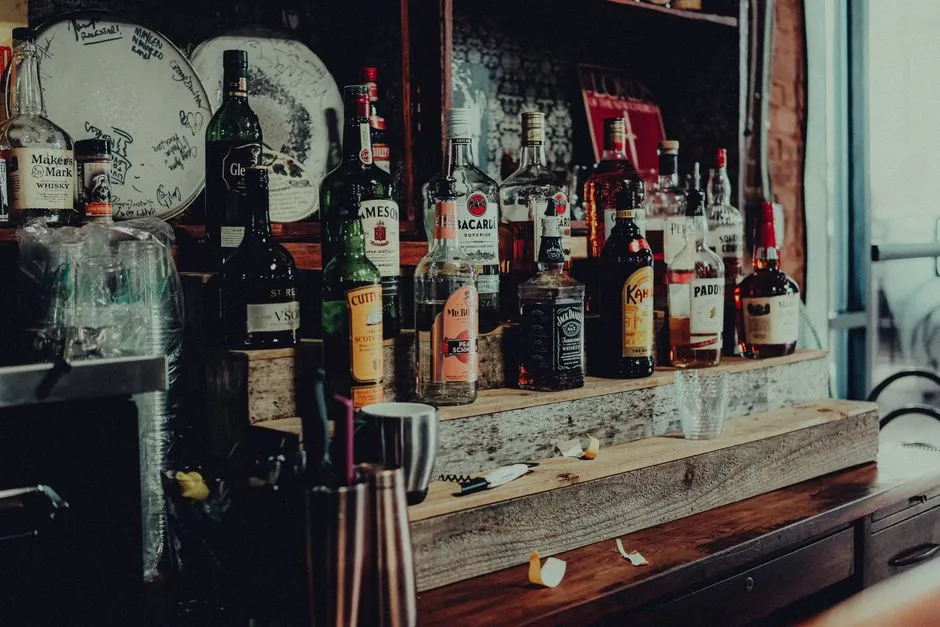
- The house Sidecar: bright, dry, and properly balanced
- Ingredients for one drink
- Equipment
- Step 1: chill the glass
- Step 2: measure the drink exactly
- Step 3: shake for chill and dilution
- Step 4: strain and garnish
- Cognac, brandy, and bottle choice
- Which orange liqueur works?
- Equal-parts Sidecar versus the drier modern spec
- Troubleshooting the Sidecar
- Batch only the stable ingredients
The house Sidecar: bright, dry, and properly balanced
For one Sidecar, shake 2 oz (60 ml) cognac, 0.75 oz (22.5 ml) orange liqueur, and 0.75 oz (22.5 ml) fresh lemon juice with ice for 10 to 12 seconds. Double-strain into a chilled coupe and garnish with an orange twist. A half sugar rim is optional: it lets each drinker choose a dry sip or a sweeter one without turning the whole glass into dessert.
That 8:3:3 ratio gives cognac the lead while lemon and orange pull in opposite directions. It is a modern dry-leaning spec, not the only historically defensible one. Early recipes often used equal parts; later versions increased the brandy. The useful question is which ratio balances the bottles on your bar.
Ingredients for one drink
- 2 oz (60 ml) cognac or another good dry brandy
- 0.75 oz (22.5 ml) dry orange liqueur
- 0.75 oz (22.5 ml) fresh lemon juice
- Orange twist, for garnish
- Fine sugar for an optional half rim
The pre-dilution volume is 3.5 oz (105 ml): 60 + 22.5 + 22.5 = 105 ml. Use a 5- to 6-oz coupe or Nick and Nora glass so the finished drink fits after shaking adds water.
Choose an orange liqueur with enough dryness and proof to remain visible beside the cognac. A sweeter, lower-proof triple sec can still work, but it may need a little more lemon or a smaller pour. Taste before changing the base spirit.
Equipment
- Cocktail shaker
- Jigger with 0.75-oz (22.5-ml) markings
- Hawthorne strainer
- Fine-mesh strainer
- Coupe or Nick and Nora glass
- Citrus peeler or small knife
The fine strainer catches lemon pulp and small ice chips. It is optional if you like a little pulp and texture.
Step 1: chill the glass
Put the serving glass in the freezer for at least 10 minutes, or fill it with ice and water while you build the drink. A Sidecar is served up, without ice, so a warm glass steals its best minutes quickly.
If you want a sugar rim, prepare it before chilling. Rub a narrow lemon wedge around only half the outside edge, then roll that side in a thin layer of fine sugar. Keep sugar off the inside of the glass, where loose crystals fall into the drink and alter every sip.
A half rim is better than a full rim for tasting. The first side softens the acid; the bare side shows the intended balance.
Step 2: measure the drink exactly
Add 2 oz (60 ml) cognac, 0.75 oz (22.5 ml) orange liqueur, and 0.75 oz (22.5 ml) fresh lemon juice to the shaker.
Measure lemon rather than squeezing by eye. Citrus yield and acidity vary, but an inaccurate pour adds another variable before you have even tasted the drink. If your jigger lacks a 0.75-oz line, combine 0.5 oz (15 ml) and 0.25 oz (7.5 ml): 15 + 7.5 = 22.5 ml.
Use lemon juice squeezed shortly before mixing. Strain out seeds; ordinary fine pulp will be caught when the drink is poured.
Step 3: shake for chill and dilution
Fill the shaker about two-thirds with solid ice, seal it, and shake hard for 10 to 12 seconds. The exact time varies with ice size, freezer temperature, shaker material, and motion. Stop when the outside is very cold and lightly frosted.
The Sidecar contains citrus, so shaking is the right technique. It chills, dilutes, and aerates the juice. Stirring produces less aeration and usually leaves this drink sharper and heavier.
Do not shake for a heroic 30 seconds to prove commitment. Once the drink and ice approach equilibrium, more time mostly breaks ice into smaller pieces and warms your hands.
Step 4: strain and garnish
Empty any chilling ice from the glass. Hold the Hawthorne strainer over the shaker and pour through a fine-mesh strainer into the centre of the glass.
Cut a broad orange peel with as little white pith as practical. Hold it skin-side down above the surface and bend it to express aromatic oil, then run it around the bare outside rim and place it on the glass. Do not flame the peel; this drink needs orange aroma, not table theatre.
Serve immediately to an adult of legal drinking age. One Sidecar contains 3.5 oz (105 ml) of alcoholic and citrus ingredients before dilution, including 2.75 oz (82.5 ml) of alcoholic products. Strength depends on the exact bottle proofs, so do not infer a universal alcohol percentage from the recipe. Never drink and drive.
Cognac, brandy, and bottle choice
Cognac is brandy made under the rules of the Cognac region in France. It is the classic call, but the cocktail does not collapse if another dry, oak-aged grape brandy tastes good and balances the orange liqueur.
Look for fruit, oak, and enough structure to stay present after lemon. The most expensive bottle is rarely necessary because citrus and orange liqueur reshape its details. At the other extreme, a thin or heavily sweetened brandy can leave the drink tasting like spiked lemonade.
Start with a broadly available mixing-grade cognac or brandy you would happily sip. If changing the base bottle, remake the original spec before adjusting the citrus. Otherwise you will not know whether the improvement came from the bottle or the moving measurements.
Which orange liqueur works?
Orange liqueur is a category, not one interchangeable flavor. Dry curaçao, triple sec, and cognac-based orange liqueurs differ in sweetness, proof, spice, and texture.
- A dry curaçao-style liqueur often brings bitter-orange peel and spice.
- A high-proof clear triple sec keeps the drink crisp and citrus-forward.
- A cognac-based orange liqueur can deepen the brandy character and add weight.
- A sweeter low-proof triple sec may make the standard spec soft; reduce it to 0.5 oz (15 ml) before increasing lemon.
Change one variable at a time. If the drink is sweet, first reduce orange liqueur from 0.75 oz to 0.5 oz, a decrease of 0.25 oz (7.5 ml). If it is too sharp, try a slightly smaller lemon pour or use the half sugar rim. Adding syrup changes the drink more broadly and is seldom the cleanest first correction.
Equal-parts Sidecar versus the drier modern spec
Early published Sidecar recipes appeared in 1922 and used equal parts brandy, orange liqueur, and lemon. The drink's precise inventor and birthplace remain disputed; an overview in the Oxford Companion to Spirits & Cocktails documents the early print record without pretending the origin story is settled.
To taste the structural difference, make a small equal-parts version with 1 oz (30 ml) of each ingredient. Its pre-dilution total is 3 oz (90 ml). Compared with the 2:0.75:0.75 house spec, it puts much more lemon and orange against each measure of brandy.
Neither is fraudulent history. The equal-parts drink is taut and liqueur-forward; the modern ratio is drier in structure and gives cognac more room. Bottle sweetness and lemon acidity can reverse a neat verdict, which is why taste beats allegiance.
Troubleshooting the Sidecar
Too sour: confirm the lemon measurement, then try 0.625 oz (18.75 ml) lemon or use a half sugar rim. Do not change three ingredients at once.
Too sweet: reduce orange liqueur to 0.5 oz (15 ml), choose a drier product, or leave the rim bare.
Cognac disappears: use a more structured brandy or increase it to 2.25 oz (67.5 ml) while keeping the other ingredients fixed.
Watery: use colder, larger ice; shake a little less; and strain promptly. Small wet ice begins diluting before the shaker is closed.
Harsh and warm: shake with enough ice until the tin is genuinely cold. Under-dilution can make alcohol and acid feel louder, not more sophisticated.
Bits on the surface: double-strain, especially when the lemon is pulpy or the ice has fractured.
Batch only the stable ingredients
For four drinks, combine 8 oz (240 ml) cognac and 3 oz (90 ml) orange liqueur in advance. Keep it covered and chilled. At serving time, shake one portion—2.75 oz (82.5 ml) of the batched spirits—with 0.75 oz (22.5 ml) fresh lemon juice.
The arithmetic is exact: four single-drink spirit portions equal 4 × 82.5 = 330 ml, and the batch contains 240 + 90 = 330 ml. Do not add ice dilution in advance unless you have tested a complete batching formula. Fresh citrus also changes with storage, so squeeze it close to service.
Set out the recipe and a jigger so legal-age guests are not free-pouring. For a broader technique refresher, see the classic cocktails everyone should know and the deliberately short list of home bar essentials. Browse more classic cocktails when the Sidecar has earned a neighbor on the menu.